
Frozen Embryo Transfer, IVF

Fresh vs Frozen Embryo Transfer: Which Has Better Success?

fresh vs frozen embryo transfer

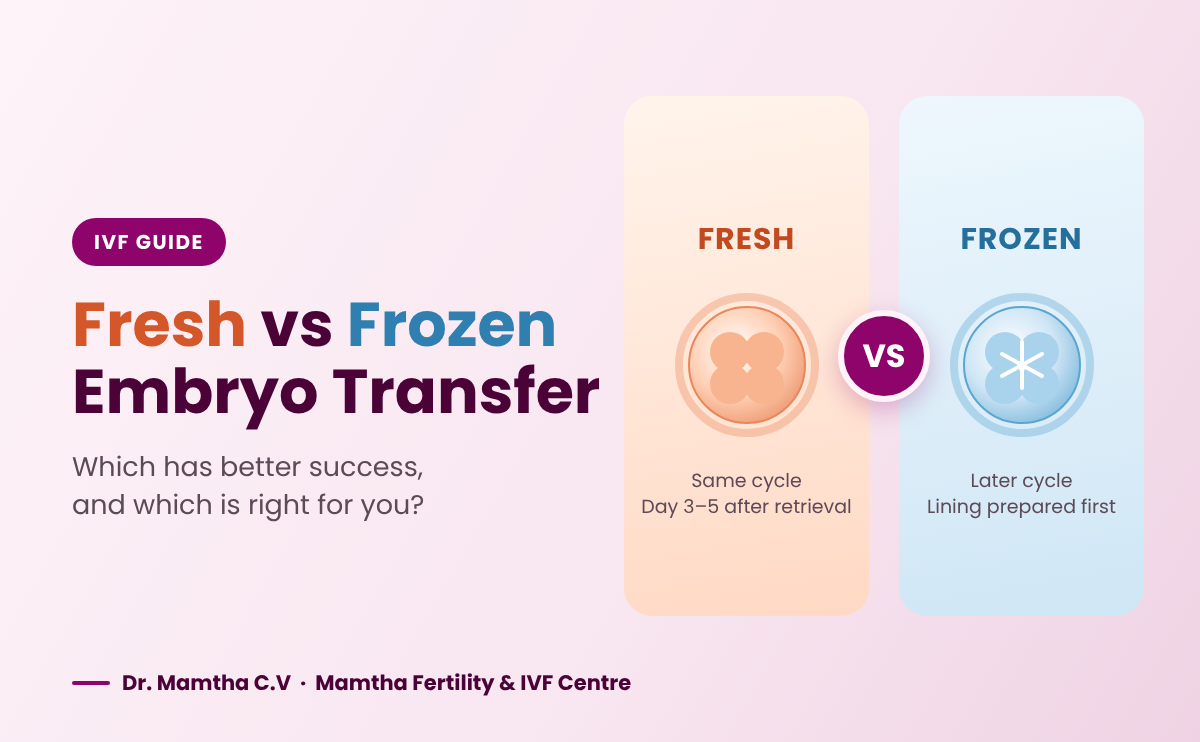
Fresh vs frozen embryo transfer is one of the most common questions couples ask during IVF. After your eggs are collected and fertilised, the embryo can be placed in your uterus within a few days, or frozen and transferred in a later cycle. Both methods can lead to a healthy pregnancy. However, one may suit your body better than the other.

In this guide, Dr. Mamtha C.V explains fresh vs frozen embryo transfer in simple words: how each works, which has better success, and how doctors decide what is right for you.

Key Takeaways

  • A fresh embryo transfer happens 3 to 5 days after egg retrieval, in the same cycle.
  • A frozen embryo transfer (FET) happens in a later cycle, after the body has recovered.
  • For many women, success rates are similar in fresh vs frozen embryo transfer.
  • FET is often preferred for women with PCOS, a high risk of OHSS, or when genetic testing is planned.
  • Your age, embryo quality and uterine lining matter more than the method itself.

What Is a Fresh Embryo Transfer?

In a fresh embryo transfer, the embryo is placed in the uterus soon after egg retrieval, usually on day 3 or day 5. Everything happens in one IVF cycle, so there is no freezing or thawing.

The fresh embryo transfer procedure is quick and painless. A thin, soft tube carries the embryo through the cervix into the uterus under ultrasound guidance. You can read every stage in our IVF process step by step guide.

What Is a Frozen Embryo Transfer (FET)?

The meaning of frozen embryo transfer is simple. Embryos created during IVF treatment are frozen using a fast method called vitrification. Later, often 1 to 2 months after retrieval, one embryo is thawed and placed in the uterus.

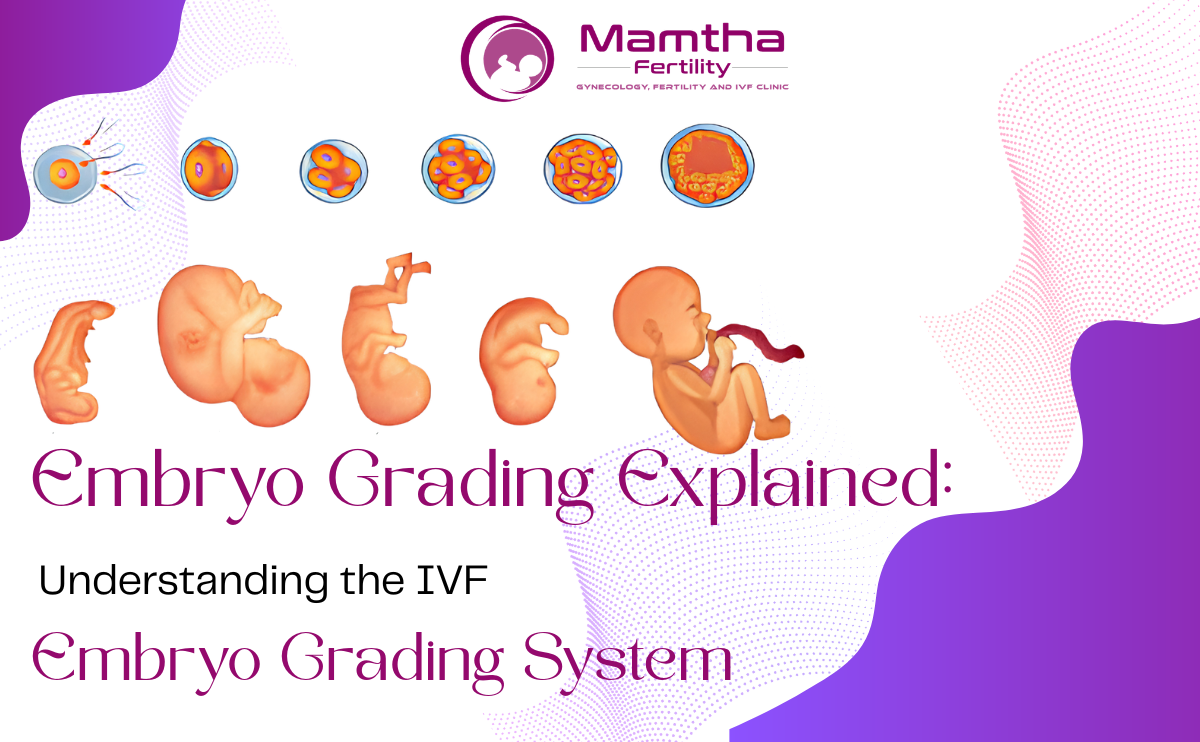
With modern vitrification, most good-quality embryos survive thawing well. Embryos are usually frozen at the blastocyst stage (day 5 or 6). To know how embryos are assessed, read embryo grading explained.

Fresh vs Frozen Embryo Transfer: Key Differences

The table below compares fresh vs frozen embryo transfer side by side.

FactorFresh embryo transferFrozen embryo transfer
Timing3–5 days after egg retrievalIn a later cycle, usually 1–2 months later
Hormone levelsHigh, from stimulation injectionsCloser to natural levels
Uterine liningMay be affected by high hormonesPrepared separately for transfer
OHSS riskHigher in high respondersMuch lower
Genetic testing (PGT)Usually not possiblePossible, since embryos are frozen
FlexibilityFixed timingTransfer can be planned
Time to pregnancy testFasterA few weeks longer
CostLower (no freezing or thawing)Extra freezing, storage and preparation cost

Fresh vs Frozen Embryo Transfer Success Rate

What Research Shows

Many large studies compare fresh vs frozen embryo transfer success rates. For women with a normal response to stimulation, overall live birth rates are often similar. However, women with PCOS or a high response to injections may do better with FET. For example, a large trial published in the New England Journal of Medicine found higher live birth rates with frozen embryos in women with PCOS.

So, is frozen embryo transfer more successful? Sometimes yes, but not for everyone. The frozen embryo transfer success rate depends on your situation, not only on the method.

Factors That Matter More Than the Method

In fresh vs frozen embryo transfer, these factors often decide the result:

  1. Your age when the eggs were collected. Younger eggs give better embryos.
  2. Embryo quality. A good blastocyst has a higher chance of implanting.
  3. Uterine lining. A healthy, receptive lining helps the embryo attach.
  4. Overall health. Thyroid, weight and other conditions also play a role.

To learn more, read about the factors that affect IVF success rates.

Why Frozen Embryo Transfer Is Often Preferred

Many fertility centres now choose a “freeze-all” approach for certain patients. Here is why frozen embryo transfer is often better in these cases:

  • Lower risk of OHSS. Freezing all embryos avoids pregnancy hormones in a cycle where the ovaries are already overstimulated. Women with PCOS benefit most. Read more on PCOS and fertility.
  • A better-prepared uterus. Very high hormone levels can make the lining less receptive. FET allows the body to settle first.
  • Genetic testing. If embryos need PGT, they must be frozen while results are awaited.
  • Health reasons. Fever, infection or fluid in the uterus can delay a fresh transfer safely.

When a Fresh Embryo Transfer May Be the Better Choice

A fresh transfer can still be a good option. In fresh vs frozen embryo transfer decisions, doctors may suggest fresh when:

  • Your response to injections was normal, with no OHSS risk
  • Hormone levels and lining thickness are good on transfer day
  • No genetic testing is planned
  • You prefer a faster result and lower cost

Frozen Embryo Transfer Process and Timeline

The process for frozen embryo transfer focuses on preparing your uterus. There are two main types. Learn more about our frozen embryo transfer procedure in Bangalore.

Natural Cycle FET

In a natural frozen embryo transfer, your own ovulation is tracked with scans and blood tests. The embryo is transferred a few days after ovulation. Natural cycle FET suits women with regular periods.

Medicated (HRT) FET Cycle

In a medicated FET cycle, you take oestrogen tablets from day 2 or 3 of your period to build the lining. Once the lining is ready, progesterone is started. A day-5 blastocyst is then transferred on the planned day. The medicated FET protocol suits women with irregular periods or PCOS.

When Is Frozen Embryo Transfer Done After a Period?

In most cycles, the frozen embryo transfer happens around 2 to 3 weeks after your period starts. After egg retrieval, doctors usually wait at least one full cycle before the frozen embryo transfer.

Uterine Lining Thickness for FET

Most doctors look for a lining of at least 7 to 8 mm with a healthy pattern on ultrasound. If your lining stays thin, treatments such as endometrial rejuvenation may help.

Day of Frozen Embryo Transfer

On the day, the embryo is thawed and checked. The transfer takes about 10 to 15 minutes. It feels similar to a Pap smear, and no anaesthesia is needed. You can go home soon after.

StageFrozen embryo transfer timeline
Start of cycleDay 2–3 of period
Lining preparationAbout 10–14 days
Progesterone supportStarts once lining is ready
Embryo transferAround day 17–21 of the cycle
Pregnancy blood testAbout 10–12 days after transfer

How to Prepare for a Frozen Embryo Transfer

Getting ready for frozen embryo transfer is mostly about following your plan carefully:

  • Take your medicines on time and do not miss doses
  • Eat balanced meals and drink enough water
  • Keep stress low with light walks, rest and good sleep
  • Avoid smoking, alcohol and excess caffeine
  • Attend all scans so the timing is accurate

If a transfer has failed before, your doctor may check for hidden causes first. Read about the common reasons IVF fails to understand how to increase frozen embryo transfer success.

Fresh vs Frozen Embryo Transfer: Which Is Right for You?

There is no single best answer in fresh vs frozen embryo transfer. Your doctor will decide based on your body’s response and test results.

Fresh may suit you if…Frozen may suit you if…
You had a normal response to injectionsYou have PCOS or a high egg count
Your lining and hormones are idealYou are at risk of OHSS
You want a quicker, lower-cost cycleYou need genetic testing of embryos
No health issues need time to settleYour lining needs extra preparation

Frozen Embryo Transfer at Mamtha Fertility, Hebbal

At Mamtha Fertility, Dr. Mamtha C.V studies your response, hormone levels and lining before advising on fresh vs frozen embryo transfer. Every plan is personalised for the best possible outcome. Explore our frozen embryo transfer treatment, or book a consultation to discuss your options.

Thinking about the future too? Read our guide on the egg freezing process to understand how freezing eggs differs from freezing embryos.

Frequently Asked Questions

Is frozen embryo transfer better than fresh?

Not always. For many women, results are similar. FET is often better for women with PCOS, a high OHSS risk, or embryos that need genetic testing.

Frozen embryo transfer is usually preferred in PCOS. It lowers OHSS risk and, in research, has shown higher live birth rates for these women.

It can be in some groups, but overall, fresh vs frozen embryo transfer results depend more on age, embryo quality and the uterine lining.

Usually after at least one full menstrual cycle, so about 1 to 2 months after retrieval.

Most FETs happen around 2 to 3 weeks after the period starts, depending on whether a natural or medicated cycle is used.

Most doctors prefer a lining of at least 7 to 8 mm with a healthy pattern on ultrasound.

Follow your medication plan, keep a healthy routine, manage stress, and treat any issues like thin lining or thyroid problems before the transfer.

Conclusion

Choosing between fresh vs frozen embryo transfer is not about which method is better for everyone. Instead, it is about which method suits your body. A fresh transfer is quicker, while a frozen transfer gives your body time to recover and your uterus time to prepare. Talk to your fertility specialist about fresh vs frozen embryo transfer, so your plan matches your health, your embryos and your goals.

Written and medically reviewed by Dr. Mamtha C.V, MBBS, DGO, Gynecologist and Reproductive Endocrinologist, Mamtha Fertility & IVF Centre, Hebbal, Bangalore.

Disclaimer: This article is for general awareness only and does not replace a medical consultation. Please consult a qualified fertility specialist for advice about your health.

Leave a Reply

Your email address will not be published. Required fields are marked *