
ICSI, IVF

How IUI Is Done: A Simple and Complete Guide for Couples

How IUI is Done

Intrauterine Insemination (IUI) is one of the most commonly recommended fertility treatments for couples facing difficulty in conceiving. It is simpler, less invasive, and more affordable than IVF, making it a popular first-line fertility option.

In this blog on how IUI is done, Dr. Mamatha C V from Mamtha Fertility & IVF Centre shares her expertise in explaining the IUI procedure in a clear and easy-to-understand way for couples beginning their fertility journey.

What Is IUI?

IUI (Intrauterine Insemination) is a fertility treatment where washed and prepared sperm is placed directly inside the uterus around the time of ovulation. This increases the chances of sperm reaching the egg naturally.

It is commonly used for

  • Mild male infertility
  • Unexplained infertility
  • Irregular ovulation
  • Cervical mucus issues
  • Donor sperm conception

The goal of IUI is to reduce the distance sperm must travel, improve sperm quality, and ensure they reach the egg at the right time.

How IUI Is Done — Step-by-Step Process

IUI is done by tracking ovulation, collecting a semen sample, washing and preparing the sperm, and inserting the prepared sperm into the uterus using a thin catheter. The procedure takes a few minutes, is painless, and is followed by a short rest. Pregnancy is tested after 14 days.

IUI is performed in several carefully timed steps. Each step plays a crucial role in increasing the chances of pregnancy.

Here is a simple, patient-friendly explanation:

Initial Consultation and Evaluation

Before performing IUI, the doctor evaluates both partners. This includes checking the woman’s hormones, ovulation pattern, and uterine health, and assessing the man’s sperm quality. This helps identify whether IUI is the right treatment option. At Mamtha Fertility & IVF Centre, Dr. Mamatha C V ensures couples undergo the necessary tests to plan the cycle accurately.

IUI must be done at the right time — when the egg is ready for ovulation.

  • The doctor tracks ovulation using
  • Ultrasound scans
  • Blood tests
  • Ovulation predictor kits

Sometimes fertility medications are used to develop one or two mature eggs, improving success rates. This monitoring step ensures that the insemination happens at the ideal fertility window.

On the day of the procedure, the male partner provides a semen sample.

If donor sperm is used, it will be thawed and prepared. Fresh sperm is preferred because it improves the chances of success.

The sample is collected in a sterile container at the clinic.

This is one of the most important steps in IUI.

  • Sperm washing separates healthy, motile (active)
  • Dead sperm
  • Weak sperm
  • Debris
  • Proteins
  • Seminal fluid

The resulting “washed sperm” is highly concentrated with strong, active sperm that can reach the egg more easily.

Good sperm preparation increases the success rate of IUI.

The actual IUI procedure is quick and painless.

Here’s how it is done:

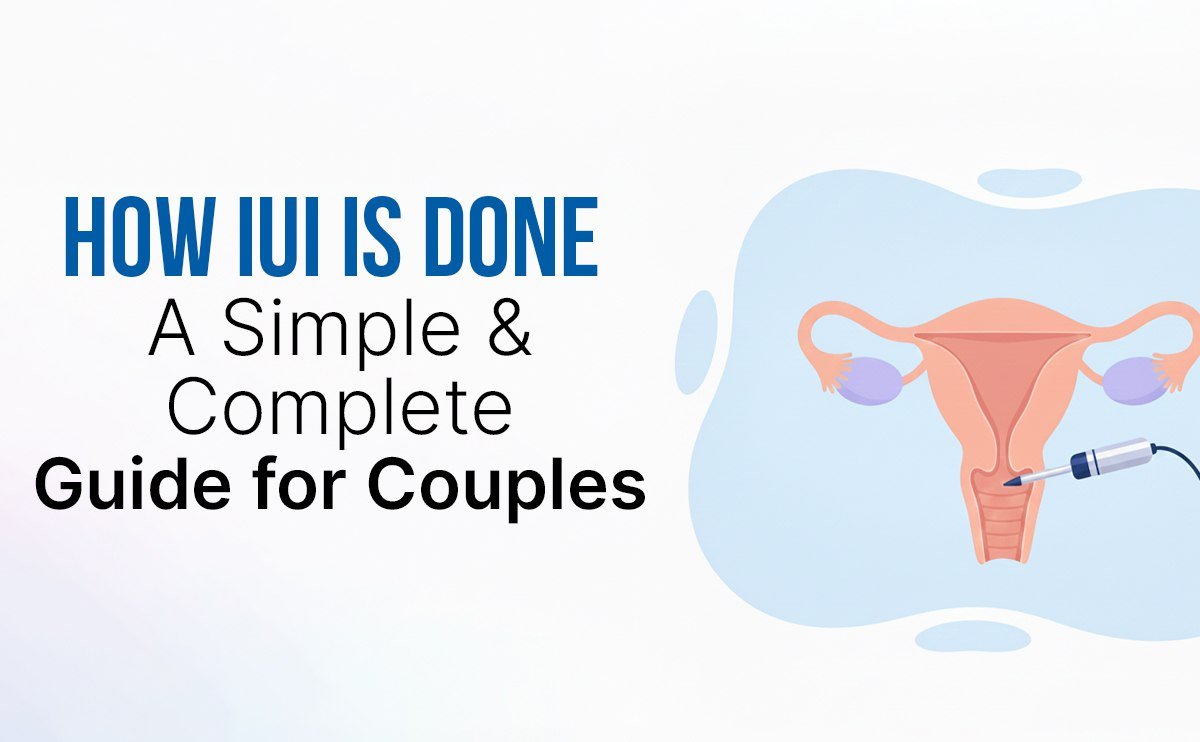
  • A thin, flexible catheter (tube) is gently inserted through the cervix.
  • Prepared sperm is slowly released into the uterus using a small syringe.
  • The process takes just 1–2 minutes and feels similar to a routine pelvic exam.

There is no anesthesia required, and most women describe it as only mildly uncomfortable.

After the insemination, the woman rests for 10–15 minutes at the clinic. This allows the sperm to begin their natural journey toward the fallopian tube, where fertilization happens. After this short rest, she can go home and continue normal daily activities.

Some women are prescribed mild hormonal support after IUI to help the uterus prepare for implantation.
This improves the chances of the embryo attaching and growing.

A pregnancy test is done two weeks after IUI.
This is the earliest time the body shows clear signs of pregnancy. It may be a home pregnancy kit or a blood test at the clinic.

How Long Does an IUI Cycle Take?

A typical IUI cycle takes around two to three weeks, depending on ovulation and monitoring.
The procedure itself takes only a few minutes.

Is IUI Painful?

Most women experience no pain or only mild cramping during IUI. It is much gentler and easier than IVF, and there is no downtime.

You can return to routine activities immediately after the procedure.

Success Rate of IUI

IUI success depends on factors such as

  • Woman’s age
  • Egg quality
  • Sperm health
  • Hormonal balance
  • Timing of the procedure
  • Underlying fertility condition

On average, IUI success rates range between 10 to 20 percent per cycle, and many couples conceive within 3–6 cycles.

According to specialists like Dr. Mamatha C V, accurate timing and proper monitoring significantly improve IUI outcomes.

Who Is IUI Best Suited For?

IUI is highly effective for couples with

  • Mild male infertility
  • Ovulation issues
  • Unexplained infertility
  • Cervical mucus problems
  • Single women or LGBTQ couples using donor sperm

It is generally not recommended for severe male infertility, blocked fallopian tubes, or advanced age-related infertility.

Risks & Side Effects

IUI is very safe, but mild side effects may include

  • Light spotting
  • Mild cramping
  • Temporary discomfort

Serious complications are rare.

Conclusion

IUI is a simple, minimally invasive and affordable fertility treatment that has helped countless couples conceive. By understanding how IUI is done, couples can feel more confident, informed and prepared.

With her experience and careful monitoring approach, Dr. Mamatha C V at Mamtha Fertility & IVF Centre guides couples through the IUI process with clarity and personalized care, helping them move one step closer to parenthood.

Leave a Reply

Your email address will not be published. Required fields are marked *