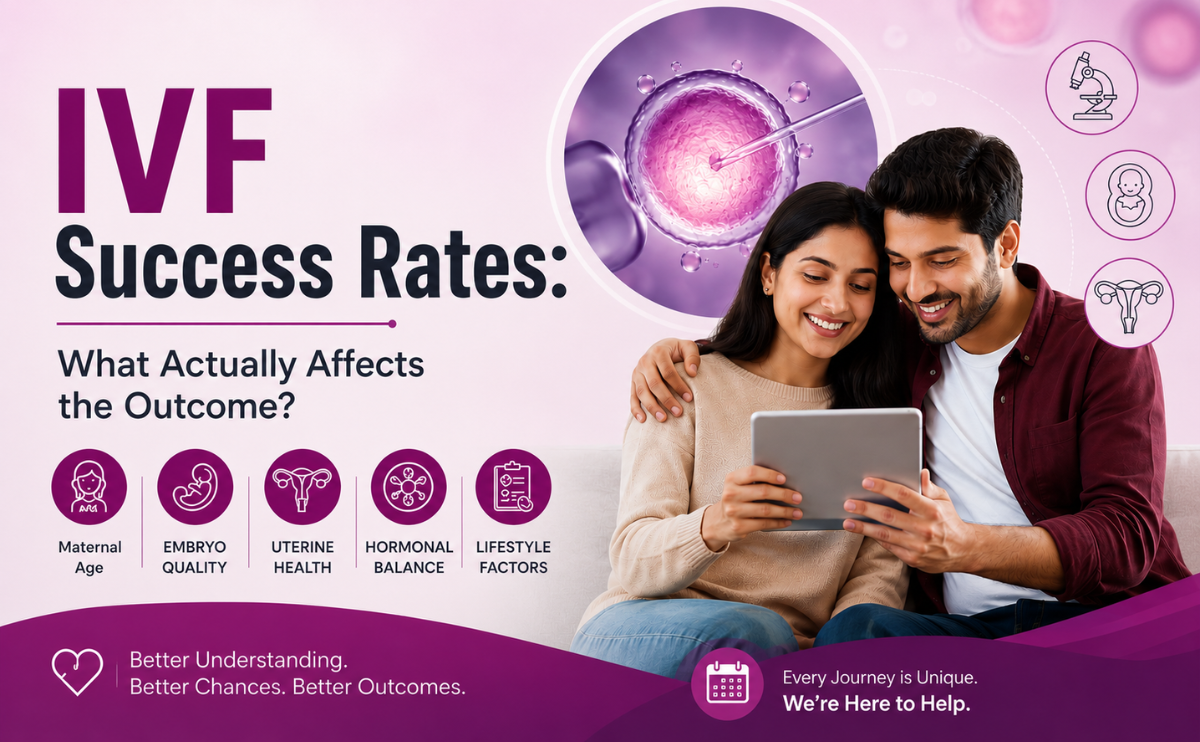
- Age and Egg Quality: The Strongest Predictor of IVF Success
Among all fertility factors, age remains one of the most significant influences on IVF outcomes.
Women are born with a limited number of eggs, and both the quantity and quality naturally decline over time. While IVF can help fertilisation occur outside the body, it cannot completely reverse age-related biological changes affecting egg quality.
Why Egg Quality Matters in IVF
Healthy eggs are essential for:
- Proper fertilisation
- Chromosomal stability
- Healthy embryo formation
- Successful implantation
- Pregnancy continuation
As egg quality declines:
- Embryos may stop developing
- Chromosomal abnormalities become more common
- Implantation rates may decrease
- Miscarriage risk may increase
Ovarian Reserve and IVF Response
Ovarian reserve refers to the remaining egg supply within the ovaries. Fertility specialists often evaluate ovarian reserve before IVF using:
- AMH levels
- Antral follicle count
- Hormonal testing
Lower ovarian reserve may affect how the ovaries respond to stimulation medications during IVF.
- Embryo Quality: Why Healthy Embryos Matter
Embryo quality is one of the most critical components of IVF success.
During IVF, eggs and sperm are combined in a controlled laboratory environment to create embryos. However, not every fertilised egg develops into a healthy embryo capable of implantation.
What Influences Embryo Quality?
Embryo development depends on:
- Egg quality
- Sperm quality
- Genetic health
- Laboratory conditions
- Embryology expertise
Healthy embryos are more likely to:
- Continue dividing normally
- Implant successfully
- Develop into a healthy pregnancy
Why Some Embryos Stop Developing
Embryos may stop growing due to:
- Chromosomal abnormalities
- Poor egg quality
- Sperm DNA damage
- Cellular developmental issues
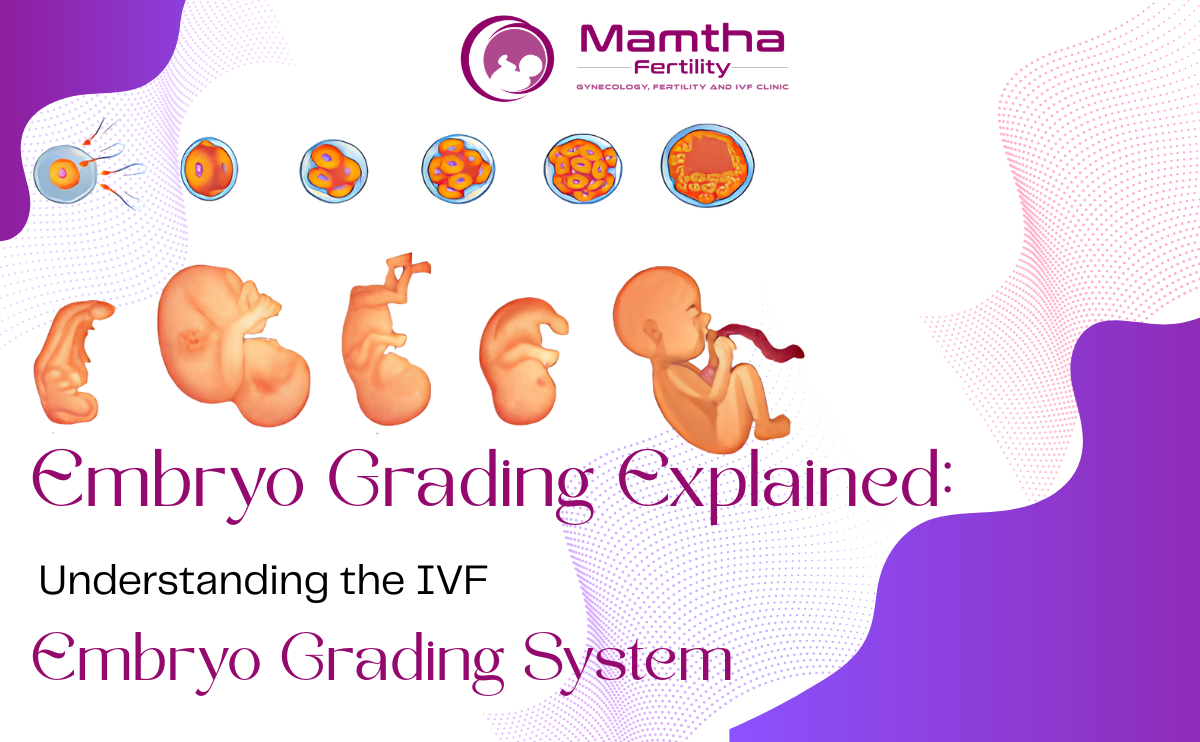
This is why embryo grading and monitoring are important parts of IVF treatment.
In some cases, frozen embryo transfer cycles may also help improve implantation timing and uterine preparation.
- Uterine Health and Implantation: Why the Embryo Needs the Right Environment
Even the healthiest embryo requires a receptive uterine environment for successful implantation.
The uterus plays a vital role in:
- Embryo attachment
- Placental development
- Early pregnancy nourishment
- Pregnancy maintenance
Conditions That May Affect Implantation
Several uterine conditions may interfere with embryo implantation, including:
- Thin endometrial lining
- Fibroids
- Polyps
- Endometriosis
- Adenomyosis
- Scar tissue or adhesions
Some individuals experience repeated implantation failure despite good-quality embryos because underlying uterine conditions remain undiagnosed.
Importance of Endometrial Receptivity
The uterine lining must reach adequate thickness and receptivity before embryo transfer. Fertility specialists monitor this carefully during IVF preparation.
Procedures such as hysteroscopy may help evaluate the uterine cavity before IVF transfer.
Supportive treatments may also be recommended to optimise endometrial health before embryo transfer.
- Male Fertility and Sperm Health: An Equally Important Factor
IVF success is not influenced only by female fertility.
Male fertility factors contribute significantly to conception outcomes, yet sperm health is often underestimated during fertility discussions.
Key Sperm Parameters That Affect IVF
Fertility specialists evaluate:
- Sperm count
- Sperm motility
- Sperm morphology
- DNA fragmentation
Poor sperm quality may affect:
- Fertilisation rates
- Embryo quality
- Embryo development
- Implantation potential
Factors That May Reduce Sperm Health
Male fertility may be affected by:
- Smoking
- Alcohol use
- Stress
- Obesity
- Hormonal imbalance
- Varicocele
- Infections
- Excessive heat exposure
A complete fertility assessment generally includes evaluation of both partners to identify contributing factors early.
- Hormonal Balance and IVF Response
Hormones regulate every stage of the reproductive cycle, including:
- Follicle development
- Egg maturation
- Ovulation
- Endometrial preparation
- Implantation support
Even small hormonal imbalances can affect IVF response.
Common Hormonal Conditions Affecting IVF
PCOS
Women with PCOS may experience:
- Irregular ovulation
- Hormonal imbalance
- Ovarian overstimulation risk
Thyroid Disorders
Thyroid dysfunction may interfere with:
- Ovulation
- Implantation
- Pregnancy maintenance
Low AMH and Reduced Ovarian Reserve
Reduced ovarian reserve may limit egg response during stimulation.
Elevated Prolactin Levels
Hormonal imbalance may disrupt ovulation and menstrual cycles.
Why Individualised Hormonal Monitoring Matters
No two IVF cycles are identical. Fertility specialists monitor hormone levels closely throughout treatment to:
- Adjust medications
- Improve ovarian response
- Reduce complications
- Optimise transfer timing
Ovulation induction strategies are customised based on individual fertility profiles.
- Lifestyle Factors That Quietly Affect IVF Success
Modern lifestyle habits can significantly influence reproductive health, often without obvious symptoms.
Lifestyle Factors Linked to Reduced IVF Success
Smoking
Smoking may negatively affect:
- Egg quality
- Sperm DNA
- Implantation
- Ovarian reserve
Obesity
Excess body weight may contribute to:
- Hormonal imbalance
- Insulin resistance
- Reduced implantation rates
Poor Sleep
Sleep disturbances can disrupt hormone regulation and reproductive cycles.
Chronic Stress
Stress may affect:
- Hormonal balance
- Emotional well-being
- Treatment consistency
- Overall reproductive health
Alcohol and Sedentary Habits
These may influence metabolic health and fertility response.
- Body Weight and Metabolic Health
Body weight affects fertility much more than many people realise.
Both obesity and being underweight may interfere with:
- Ovulation
- Hormone production
- Egg quality
- Endometrial receptivity
Why Metabolic Health Matters in IVF
Conditions such as insulin resistance and metabolic syndrome may reduce reproductive efficiency and affect implantation success.
Fertility specialists often recommend:
- Nutritional support
- Weight management
- Regular physical activity
- Lifestyle optimisation before IVF
These changes may help improve reproductive response and pregnancy outcomes.
- Previous IVF Failures and Reproductive History
Previous reproductive history provides important insights during fertility planning.
Important Factors Specialists Evaluate
- Previous miscarriages
- Failed IVF attempts
- Previous surgeries
- Tubal damage
- Endometriosis history
- Pelvic infections
Understanding previous fertility experiences helps create more targeted treatment strategies rather than repeating the same protocol.