
IVF Process: What Really Happens From Consultation to Pregnancy Test
Table of Contents
ToggleKey Takeaways
- IVF is a step-by-step medical process, not a single procedure, involving evaluation, stimulation, fertilisation, embryo transfer, and pregnancy testing.
- The IVF process usually takes 4 to 6 weeks, though timelines can vary based on individual response and treatment planning.
- Careful monitoring at each stage helps improve safety and supports better outcomes.
- Not all couples need IVF immediately; fertility evaluation helps determine when IVF is appropriate.
- The waiting period after embryo transfer is normal and does not indicate success or failure on its own.
- Understanding each step of IVF can reduce anxiety and help couples make informed decisions.
Introduction
In vitro fertilization (IVF) is not a single procedure but a carefully planned medical journey. Understanding the IVF step-by-step process helps couples know what to expect, reduce anxiety, and prepare both physically and emotionally for treatment.
This guide explains the IVF process from the first consultation to the pregnancy test, breaking down each stage in a clear and simple way.
For couples exploring IVF as a treatment option, learning how the process works can make decision-making more informed and confident.
What Is the IVF Process?
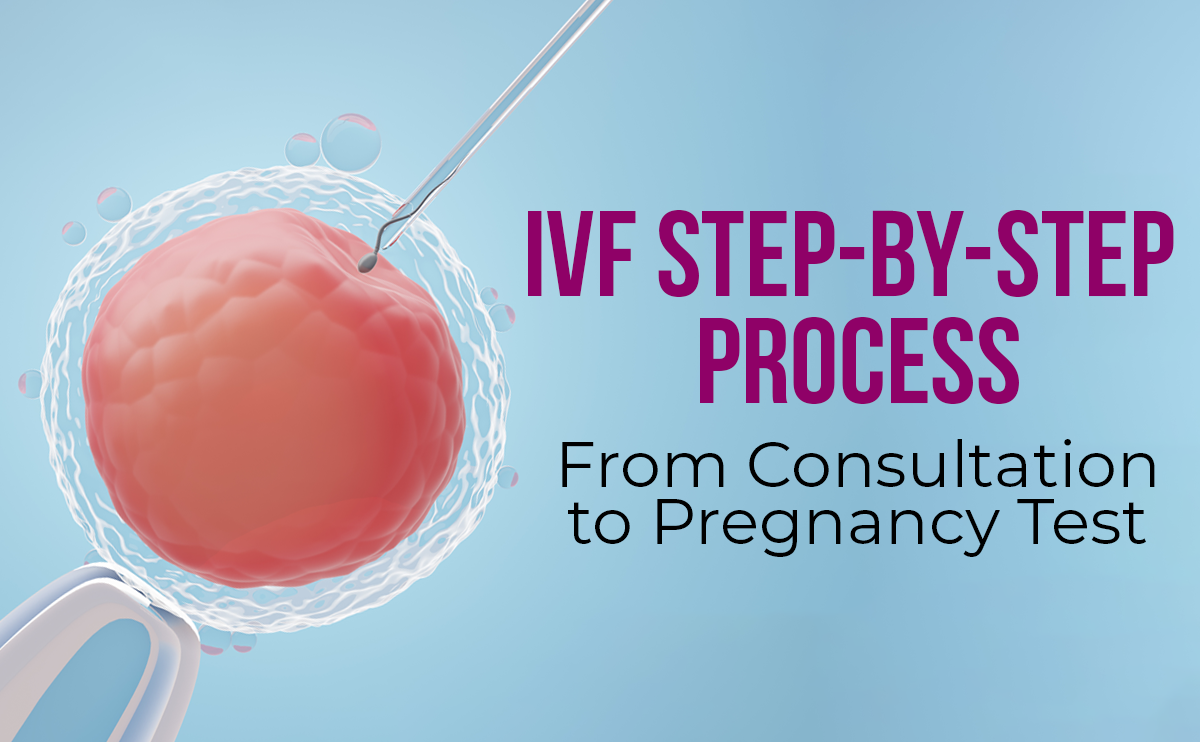
The IVF process is an assisted reproductive technique where eggs are fertilized with sperm outside the body in a laboratory. Once fertilization occurs, a healthy embryo is transferred into the uterus to achieve pregnancy.
IVF treatment is done in multiple stages rather than all at once. Each step allows doctors to closely monitor the body’s response and tailor treatment for better safety and outcomes.
Step-by-Step IVF Process Explained
Step 1 – Initial Consultation and Fertility Evaluation
The IVF journey begins with a detailed consultation and fertility evaluation. Doctors review medical history, menstrual cycles, past treatments, and lifestyle factors. Diagnostic tests are performed for both partners to understand the cause of infertility.
This stage focuses on identifying the problem and deciding whether IVF is the most suitable treatment.
A complete fertility evaluation helps ensure that IVF is recommended for the right reasons.
Step 2 – Ovarian Stimulation
Once IVF is planned, ovarian stimulation begins. Hormonal injections are prescribed to encourage the ovaries to produce multiple eggs instead of one.
This stage usually lasts 8 to 14 days and involves regular ultrasound scans and blood tests. Monitoring ensures safe egg development and helps determine the correct timing for egg retrieval.
Step 3 – Egg Retrieval Procedure
Egg retrieval is a minor procedure performed when the eggs are mature. A trigger injection prepares the eggs for collection.
The procedure is done under mild sedation using ultrasound guidance. It is usually completed within a short time, and most women go home the same day with mild, temporary discomfort.
Step 4 – Sperm Collection and Fertilisation
On the same day as egg retrieval, a sperm sample is collected. Fertilisation takes place in the laboratory using one of two methods:
- Conventional IVF
- ICSI, where a single sperm is injected into an egg
The choice depends on sperm quality and previous treatment history.
If you want to understand this difference in detail, you can read about IVF vs ICSI.
Step 5 – Embryo Development and Monitoring
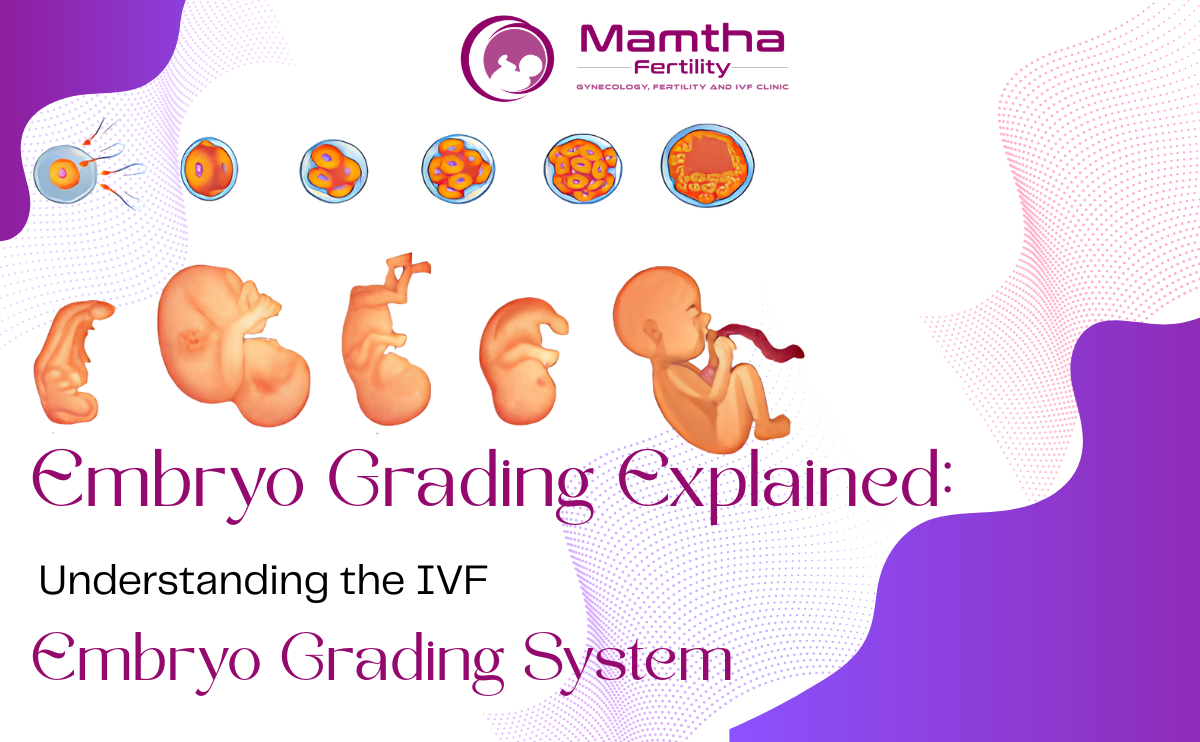
After fertilisation, embryos are cultured in the laboratory for several days. Specialists monitor cell division and embryo quality.
Embryos may be observed until Day 3 or Day 5, depending on medical factors. This stage is important because embryo development plays a key role in implantation success.
Step 6 – Embryo Transfer
Embryo transfer is a simple outpatient procedure in which a selected embryo is placed into the uterus using a thin catheter. It is usually painless and does not require anesthesia.
In some cases, the transfer may be postponed and planned in a later cycle as a frozen embryo transfer to allow better uterine preparation.
Step 7 – Luteal Phase Support
After embryo transfer, hormonal support is given to help the uterus support implantation. Progesterone medication is commonly prescribed during this phase.
Patients are advised to avoid strenuous activity and follow medication instructions carefully. This phase supports early pregnancy development.
Step 8 – Pregnancy Test After IVF
The final step in the IVF treatment process is the pregnancy test. A blood test is usually done 10 to 14 days after embryo transfer.
Testing too early can give inaccurate results, so waiting for the scheduled test date is important. If the test is positive, follow-up scans are planned to confirm pregnancy.
How Long Does the IVF Process Take?
A complete IVF cycle typically takes 4 to 6 weeks from the start of stimulation to the pregnancy test. The timeline may vary depending on individual response, medical conditions, or whether frozen embryo transfer is planned.
Some couples may require more than one cycle to achieve pregnancy.
What Happens After Embryo Transfer?
After embryo transfer, implantation usually occurs within 6 to 10 days. Some women notice mild symptoms, while others feel no change at all.
The waiting period can be emotionally challenging. Understanding that symptoms alone do not confirm success can help reduce unnecessary stress.
For more insight, you may find it helpful to read about possible reasons IVF may not succeed.
Is IVF Painful or Risky?
IVF is generally well tolerated. Injections and procedures may cause temporary discomfort, but severe pain is uncommon. When properly monitored, IVF is considered a safe treatment.
Doctors carefully assess risks and adjust treatment to ensure patient safety throughout the IVF process.
When Should You Consider IVF?
IVF may be recommended if pregnancy has not occurred after regular attempts, if there are known fertility problems, or if other treatments such as IUI have not worked.
Understanding earlier treatment options like IUI treatment helps clarify when IVF becomes the next step.
Conclusion
Understanding the IVF step-by-step process helps couples approach treatment with clarity and confidence. From consultation and evaluation to embryo transfer and pregnancy testing, each stage of IVF is designed to improve safety and outcomes.
Early evaluation, realistic expectations, and proper guidance play an important role in navigating the IVF journey successfully.
FAQs: IVF Step by Step Medical Process
What are the steps taken for IVF?
IVF involves several stages including fertility evaluation, ovarian stimulation, egg retrieval, sperm collection and fertilisation, embryo development, embryo transfer, and finally a pregnancy test. Each step is planned carefully to improve safety and increase the chances of pregnancy.
What are the 5 stages of an IVF procedure?
The five main stages of IVF include ovarian stimulation, egg retrieval, fertilisation in the laboratory, embryo transfer, and the pregnancy test. These stages are spread over a few weeks and monitored closely by fertility specialists.
How long does IVF take from start to finish?
A complete IVF cycle usually takes about four to six weeks, starting from ovarian stimulation and ending with the pregnancy test. The timeline may vary depending on individual response, additional testing, or whether a frozen embryo transfer is planned.
What tests are done before IVF?
Before IVF, doctors perform blood tests for hormones, ultrasound scans, semen analysis, and sometimes imaging tests to check the uterus and fallopian tubes. These tests help identify the cause of infertility and guide the IVF treatment plan.
What are the 7 steps of fertilisation in IVF?
Fertilisation in IVF includes egg collection, sperm preparation, insemination or ICSI, confirmation of fertilisation, early embryo development, embryo monitoring, and selection of a suitable embryo for transfer.
What is the most painful step in IVF?
Most people find IVF injections or egg retrieval mildly uncomfortable, but severe pain is uncommon. Egg retrieval is done under sedation, and injections usually cause only brief discomfort. Pain perception varies from person to person.
Is IVF painful or uncomfortable?
IVF is generally well tolerated. Some steps, such as injections or egg retrieval, may cause temporary discomfort, but most procedures are manageable with medical support. Clinics closely monitor patients to reduce discomfort and risks.
Is the IVF injection painful?
IVF injections are usually given with very fine needles and cause minimal pain. Some women experience mild stinging or soreness at the injection site, which is temporary and manageable with proper technique.
How many injections are needed for IVF?
The number of injections varies depending on the treatment protocol. Most IVF cycles involve daily injections for around 8 to 14 days during ovarian stimulation, along with a few additional hormone injections as needed.