
What Happens After IVF Failure? Next Steps Explained
Table of Contents
ToggleKey Takeaways
- What happens after IVF failure can feel overwhelming, but it is a common part of fertility treatment.
- The body returns to its natural cycle once hormone levels fall.
- Doctors carefully review the failed cycle to identify the cause.
- Many couples achieve success in future attempts with better planning.
- Understanding what happens after IVF failure helps reduce stress and confusion.
Introduction
What happens after IVF failure is one of the most important questions couples ask after a negative result. A failed cycle can be emotionally difficult, but it does not mean that pregnancy is no longer possible.
After IVF failure, the body begins to reset. Hormone levels drop, medications are stopped, and the menstrual cycle resumes. At the same time, doctors start analysing the previous cycle to understand what may have affected the outcome. A structured IVF treatment approach helps guide the next steps with clarity.
What Happens Immediately After IVF Failure?
The first few days after IVF failure follow a clear pattern. Understanding this helps reduce uncertainty.
Once the pregnancy test is negative, hormone levels begin to fall. This drop signals the body to stop supporting the uterine lining. As a result, menstruation usually begins within a few days.
Medications such as progesterone are stopped at this stage. Some women may feel mild discomfort or fatigue. These changes are temporary and are part of the body returning to its normal cycle.
What Happens to Your Body After IVF Failure?
Many patients worry about physical changes after a failed cycle. In most cases, the body recovers naturally.
You may experience bleeding similar to a regular period. This happens because the uterine lining is shed. Some women also notice bloating, fatigue, or mild cramps. These symptoms occur due to hormonal shifts.
Emotionally, this phase can be challenging. Hormonal changes combined with disappointment can affect mood. However, these effects usually improve as hormone levels stabilise.
Why Does IVF Fail?
Understanding why IVF fails is important before planning the next step. There is rarely a single reason. Instead, multiple factors may be involved.
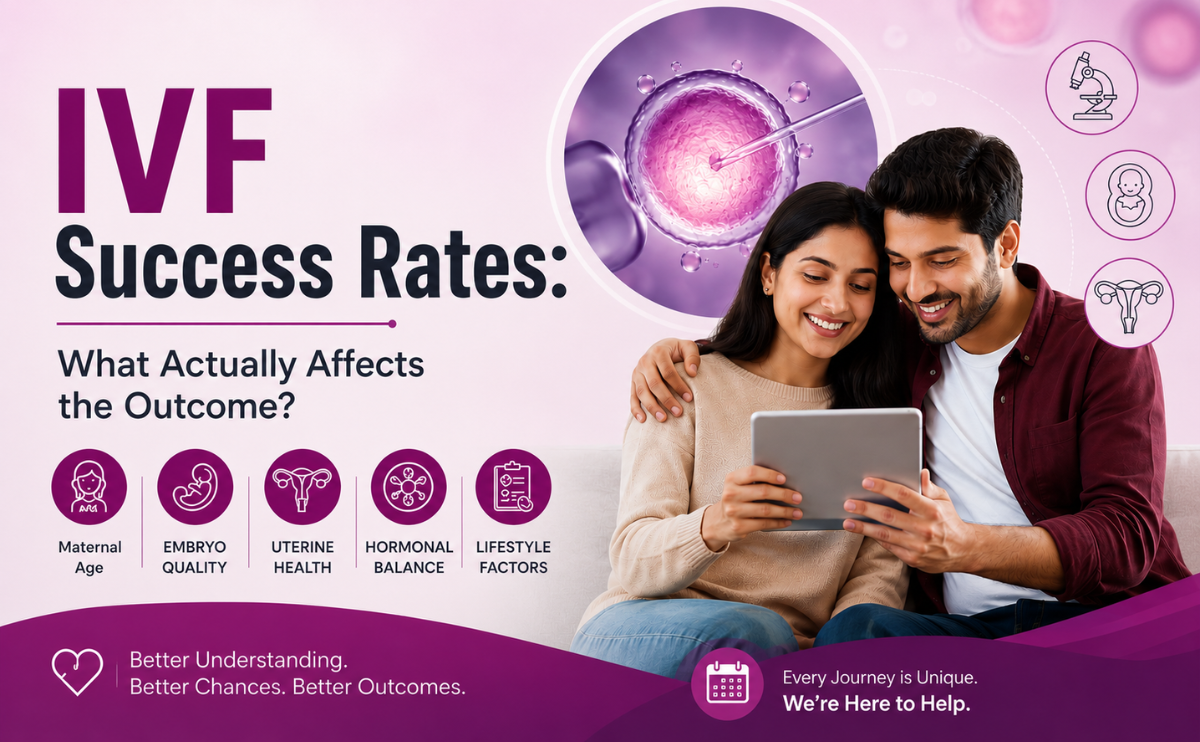
One of the most common causes is embryo quality. Even when embryos look healthy, they may not always implant successfully. Implantation itself is a complex process that depends on both the embryo and the uterus.
The uterine lining also plays a key role. If it is not receptive at the right time, implantation may not occur. Hormonal imbalance can further affect this process.
Age is another important factor. As age increases, egg quality may decline, which can reduce success rates. A detailed evaluation of IVF failure helps identify the exact reason in each case.
What Happens to the Embryo After IVF Failure?
After IVF failure, the embryo does not implant in the uterus. Since implantation does not occur, the pregnancy does not begin.
The body naturally sheds the uterine lining during the next menstrual cycle. This process clears the environment for the next cycle. Importantly, this does not damage the uterus or affect future chances of pregnancy.
What Do Doctors Do After IVF Failure?
This is the most critical phase in understanding what happens after IVF failure. Doctors do not simply repeat the same treatment. Instead, they analyse the previous cycle in detail.
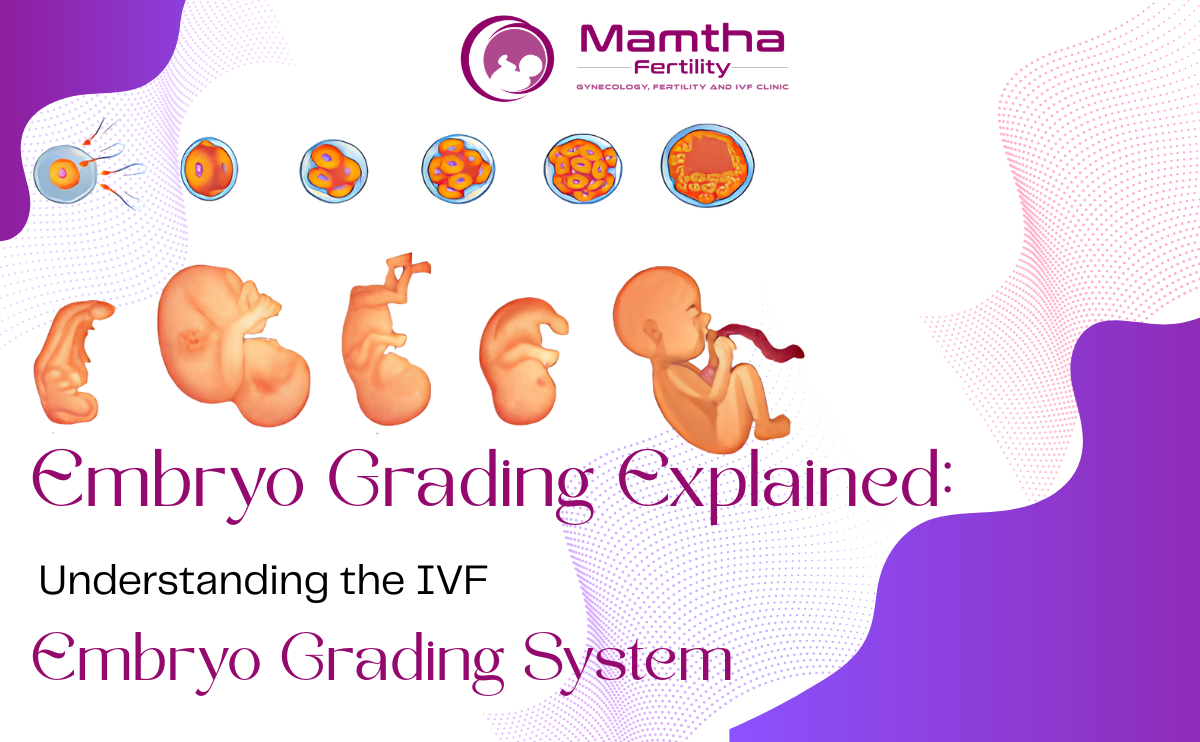
They review embryo development to assess quality. They also examine the uterine environment to check if implantation conditions were optimal. Hormone levels are evaluated to ensure proper balance during the cycle.
In addition, sperm quality is reviewed when needed. This step-by-step analysis helps identify possible reasons for failure. Further fertility tests may be advised to refine the next plan.
What Tests Are Done After IVF Failure?
Tests are recommended based on individual findings. These tests help doctors make better decisions for the next cycle.
Hormone blood tests are used to check levels that affect ovulation and implantation. Ultrasound scans help assess the uterus and ovaries. In some cases, doctors evaluate the uterine lining more closely.
Genetic testing may also be suggested when repeated failure occurs. These evaluations improve the chances of success in future cycles.
When Can You Try Again After IVF Failure?
Timing is an important part of planning the next attempt. Most patients can try again after one or two natural cycles.
This waiting period allows the body to recover from hormonal stimulation. It also gives time to address any issues identified in the previous cycle.
Doctors decide the exact timeline based on recovery, test results, and overall health. Taking the right amount of time improves the chances of success in the next cycle.
What Changes in the Next IVF Cycle?
The next IVF cycle is rarely the same as the previous one. Adjustments are made based on findings from the failed attempt.
Doctors may change the medication protocol to improve response. They may also focus on better embryo selection or timing of transfer.
In some cases, techniques like ICSI treatment are used to improve fertilisation. These changes aim to address the specific reason for failure.
What Are the Options After IVF Failure?
There are several options after IVF failure. The choice depends on the cause identified during evaluation.
Some couples choose to try another IVF cycle with modifications. Others may proceed with frozen embryo transfer if embryos are available.
In certain situations, advanced options such as donor programs may be considered. For example, embryo donation may be recommended when embryo quality is a concern.
What If IVF Fails Multiple Times?
Repeated IVF failure requires deeper evaluation. Doctors look beyond basic factors and focus on more detailed investigation.
They may suggest advanced testing or change the treatment approach completely. This could include altering stimulation protocols or exploring alternative options.
Each repeated attempt provides more information. This helps refine the strategy and improve future outcomes.
Can You Get Pregnant Naturally After IVF Failure?
Many couples ask this after a failed cycle. The answer is yes, natural pregnancy is still possible.
IVF failure does not always mean infertility. In some cases, ovulation continues normally, and natural conception can occur.
The chances depend on the underlying cause. Addressing hormonal or lifestyle factors may improve natural fertility.
Emotional Recovery After IVF Failure
The emotional impact of IVF failure is significant. It is important to address both physical and mental recovery.
Feelings of stress, disappointment, and anxiety are common. Taking time to recover emotionally helps in preparing for the next step.
Lifestyle changes also play a role in recovery. Factors such as sleep, stress, and work patterns influence fertility, as seen in lifestyle factors.
When Should You See Your Doctor Again?
Medical guidance is important after a failed cycle. A follow-up consultation helps plan the next steps clearly.
You should consult your doctor soon after the cycle ends. This allows timely evaluation and avoids unnecessary delays.
Repeated failures or irregular cycles require closer monitoring. An experienced doctor can guide the treatment plan based on your condition.
Conclusion
What happens after IVF failure is not the end of the fertility journey. It is a step that helps identify what needs to change.
With proper evaluation and the right treatment approach, many couples achieve success in future cycles. Understanding what happens after IVF failure allows better decisions and improves confidence moving forward.
Frequently Asked Questions
What is the next step after failed IVF?
The next step involves reviewing the previous cycle, identifying possible causes, and modifying the treatment plan before trying again.
What happens to your body when IVF fails?
Hormone levels drop, medications stop, and the menstrual cycle resumes within a few days.
Should I try again after 2 failed IVF cycles?
Yes, many couples succeed after multiple attempts. However, doctors usually adjust the treatment strategy.
What is the biggest reason IVF fails?
Embryo quality, implantation issues, and hormonal imbalance are the most common reasons.
What are the options after IVF failure?
Options include another IVF cycle, treatment changes, ICSI, or donor-based approaches depending on the condition.