What Is the Best Age for IVF? How Age Affects IVF Success
Table of Contents
ToggleKey Takeaways
- Younger age generally offers better IVF outcomes with a woman’s own eggs.
- Egg quality becomes increasingly important from the mid-30s onward.
- IVF can still be successful after 35 and 40, although success with own eggs usually declines.
- AMH can provide information about egg quantity but cannot fully measure egg quality.
- Women over 35 or 40 may benefit from earlier fertility evaluation.
Introduction
Many couples ask, “What is the best age for IVF?” IVF generally has better outcomes at younger reproductive ages, especially when using a woman’s own eggs. However, there is no single age that is right for everyone.
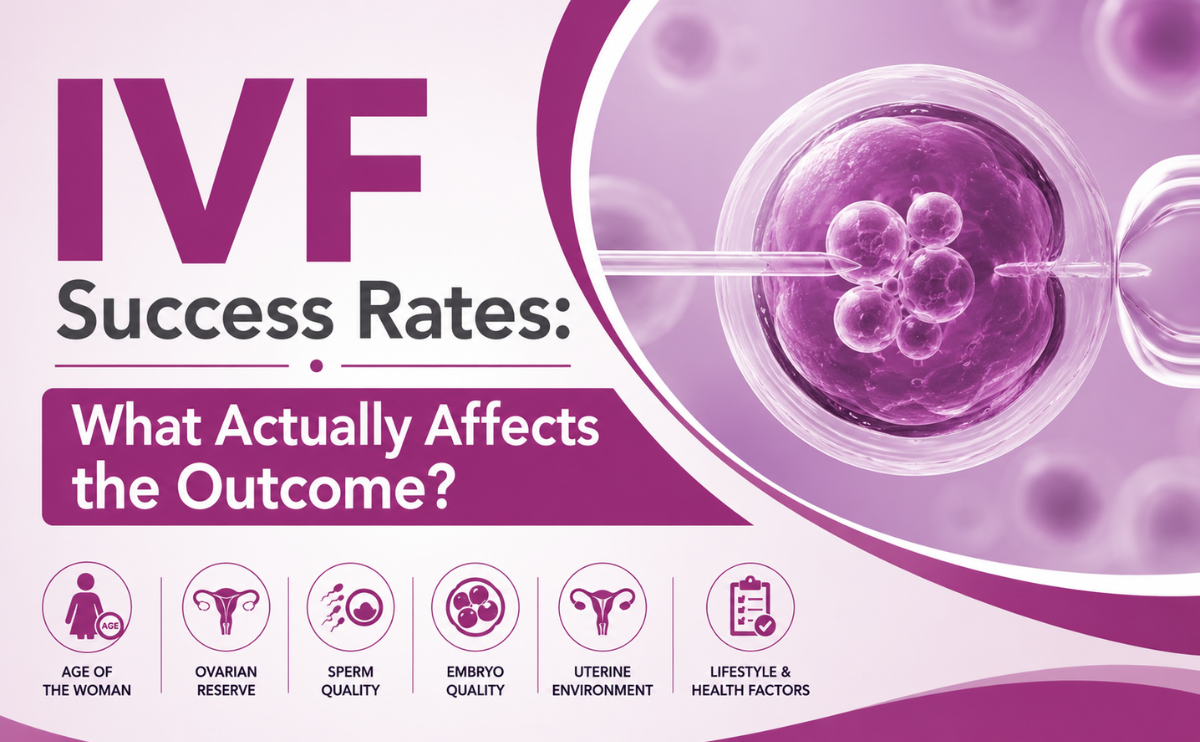
Age should be considered alongside ovarian reserve, egg quality, sperm health, uterine health and the reason for infertility.
What Is the Best Age for IVF?
There is no universal “perfect” age for IVF. However, IVF outcomes using a woman’s own eggs are generally more favourable in the late 20s and early 30s.
This is because both egg number and egg quality change with age. As women get older, a greater proportion of eggs may have chromosomal abnormalities. This can affect fertilisation, embryo development, implantation and the chance of a healthy pregnancy.
Doctors also consider ovarian reserve, ovulation, sperm quality, previous pregnancies, fallopian tube health, endometriosis, uterine conditions and previous fertility treatment. Therefore, the best age for IVF can differ from one patient to another.
How Does Age Affect IVF Success?
Age can affect several stages of IVF.
Egg quantity
Women are born with a finite number of eggs, and the available egg pool gradually decreases. Some women may produce fewer eggs during IVF stimulation as they get older.
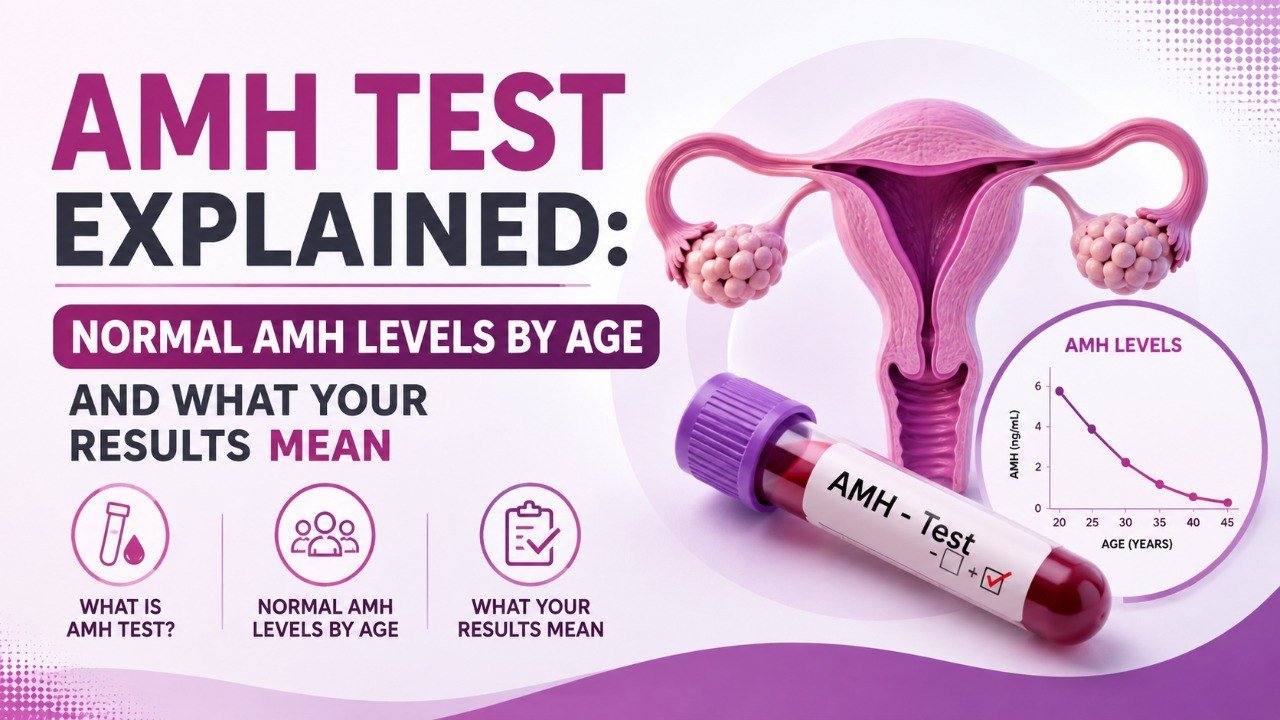
Tests such as AMH and antral follicle count can help estimate ovarian reserve and expected response to treatment. However, these tests mainly provide information about egg quantity, not complete egg quality.
An AMH test may be included as part of a fertility evaluation.
Egg quality
Egg quality is one of the main reasons age affects IVF outcomes. With increasing age, the chance of chromosomal abnormalities in eggs rises. This may reduce the chance of developing a healthy embryo and can increase the risk of miscarriage.
A good egg count does not necessarily mean that all eggs have the same reproductive potential. This is why the best age for IVF cannot be determined by AMH or egg count alone.
Embryo development and implantation
IVF involves egg retrieval, fertilisation, embryo development, embryo transfer and implantation. Age can influence each of these stages.
Even when a good-quality embryo is transferred, implantation and pregnancy are not guaranteed. IVF success rates should therefore be viewed as estimates, not promises.
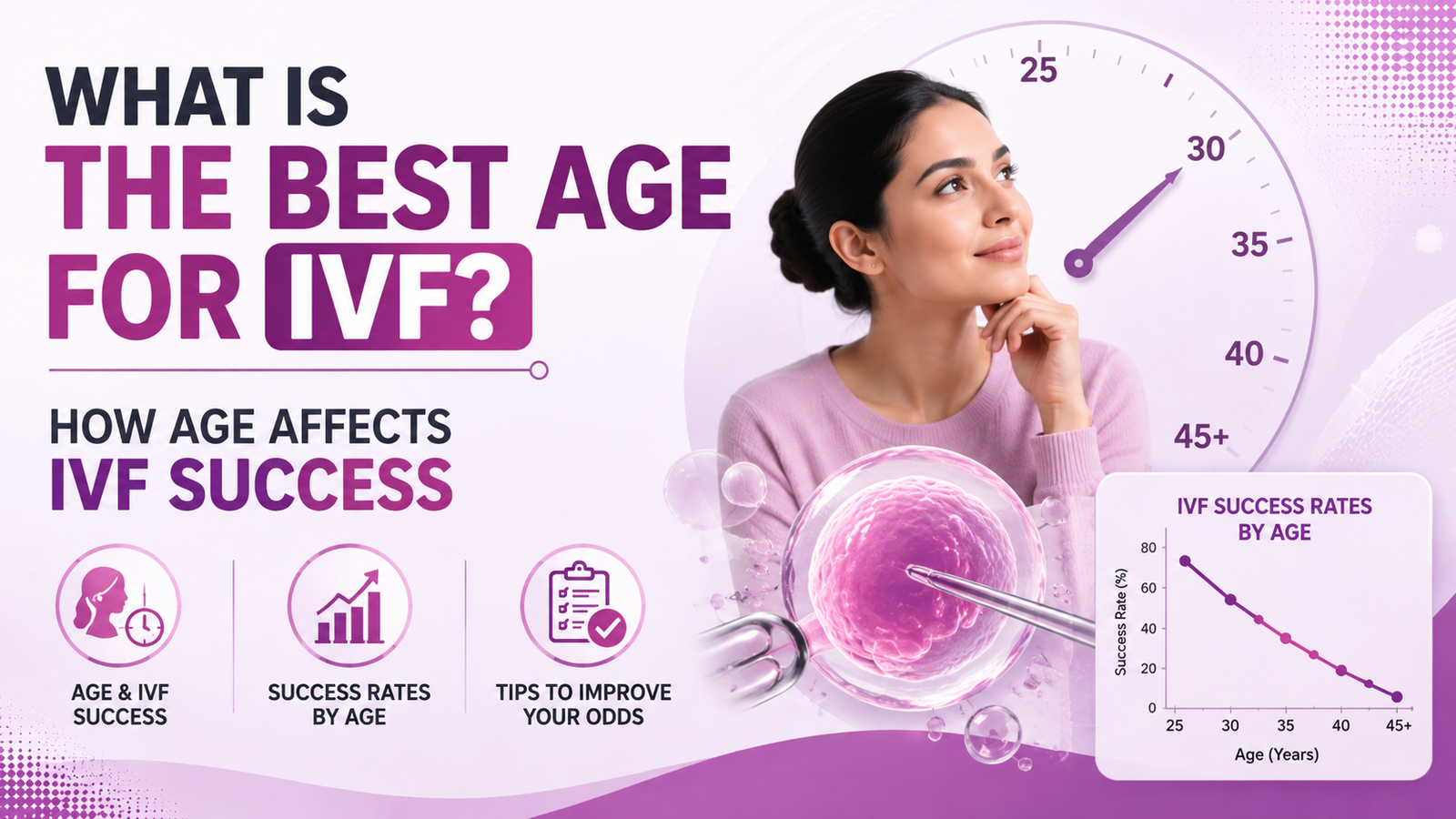
IVF Success Rate by Age
| Age group | General IVF outlook with own eggs |
|---|---|
| Under 30 | Generally most favourable |
| 30–34 | Generally favourable |
| 35–37 | Success may begin to decline |
| 38–40 | Age-related decline becomes more important |
| 41–42 | Chances with own eggs are generally lower |
| Over 42 | Success with own eggs may be considerably lower |
These are general age groups, not guaranteed success rates. Outcomes also depend on ovarian response, embryo development, sperm factors, infertility diagnosis and laboratory conditions.
More information is available in this guide to IVF success rates.
Medical Review: Dr. Mamtha C.V., Fertility Specialist
Medical Disclaimer: This article is for general educational purposes and does not replace an individual consultation, diagnosis or treatment plan from a qualified fertility specialist.
Is IVF at 30 a Good Option?
For women who need IVF around age 30, age is generally a favourable factor when using their own eggs. However, being younger does not automatically mean IVF is necessary.
IVF may be recommended for blocked fallopian tubes, severe male-factor infertility, certain ovulation problems, endometriosis, selected cases of unexplained infertility or previous unsuccessful fertility treatments.
The decision should be based on the complete fertility assessment rather than age alone.
What About IVF at 35?
Age 35 is an important point in fertility planning, but it is not a sudden fertility cut-off. Fertility declines gradually, although the decline becomes more significant with increasing age.
This does not mean every woman aged 35 needs IVF. It means that women aged 35 or older may benefit from earlier evaluation if pregnancy has not occurred after six months of trying.
You can also read more about fertility after 30.
Is IVF After 35 Still Successful?
Yes, IVF after 35 can be successful. However, success with a woman’s own eggs generally decreases as age increases.
A 36-year-old woman may have a very different fertility profile from another woman of the same age. Ovarian reserve, sperm quality, uterine health and the cause of infertility can all affect treatment outcomes.
Age is therefore used together with medical history, test results and treatment response to create an individual plan.
Is IVF After 40 Possible?
Yes, IVF after 40 is possible. However, egg quality and reproductive potential are more strongly affected by age.
Women over 40 may produce fewer eggs during stimulation, and a greater proportion of eggs may have chromosomal abnormalities. As a result, IVF using their own eggs generally has lower success rates than treatment at younger ages.
Doctors may assess ovarian reserve, uterine health, sperm factors, previous fertility history and embryo development. In some situations, donor eggs may also be discussed.
Does AMH Determine the Best Age for IVF?
No. AMH is useful but cannot determine the best age for IVF on its own.
AMH and antral follicle count can help estimate ovarian reserve and expected response to stimulation. However, ovarian reserve mainly reflects egg quantity, while age provides important information about egg quality and reproductive potential.
A younger woman with low AMH and an older woman with good AMH may have very different fertility considerations. A good AMH level does not guarantee high-quality eggs or successful IVF.
When Should You Consider IVF?
Earlier fertility evaluation may be appropriate if:
- you are 35 or older and have tried for six months
- you are over 40 and want to become pregnant
- you have irregular or absent periods
- you have endometriosis or reduced ovarian reserve
- you have blocked fallopian tubes
- your partner has a known sperm problem
- you have had unsuccessful fertility treatment
- you want to discuss fertility preservation
Known fertility conditions may require evaluation without waiting for the usual time period.
What Tests Help Decide Whether IVF Is Appropriate?
A fertility specialist may assess ovarian reserve, ovulation, the uterus, fallopian tubes and semen parameters. Your medical history, previous pregnancies, miscarriages, surgeries, endometriosis and earlier fertility treatments may also influence the plan.
The goal is not to decide on IVF based on age alone. It is to understand the complete fertility picture and choose the most appropriate treatment.
If IVF is recommended, learning about the IVF treatment process can help you understand each stage.
The Bottom Line
So, what is the best age for IVF?
Younger age is generally associated with better IVF outcomes when using a woman’s own eggs because egg quality and reproductive potential decline over time. However, there is no single age that guarantees success, and IVF can still work after 35 and 40.
The best age for IVF should be considered alongside ovarian reserve, sperm quality, embryo development, uterine health, infertility diagnosis and previous treatment.
AMH can provide useful information about egg quantity, but it does not replace age-based fertility assessment or fully predict egg quality. A fertility specialist can help you understand your individual chances and decide whether IVF is appropriate.
Frequently Asked Questions
What is the maximum age for IVF in India?
There is no single age that is automatically suitable or unsuitable for every woman. The decision depends on health, ovarian reserve, treatment type and whether own or donor eggs are used.
Can a 45-year-old woman get pregnant with IVF?
Pregnancy may be possible at 45, but success using a woman’s own eggs is generally much lower than at younger ages. Donor eggs may be discussed depending on the evaluation.
Is IVF successful after 40?
Yes, but success with own eggs generally declines with age. Outcomes depend on ovarian reserve, embryo quality, sperm health and uterine factors.
Does age affect IVF success with good AMH?
Yes. AMH mainly reflects ovarian reserve and expected response to stimulation. It does not fully measure egg quality, so age remains important.
Is IVF at 35 still likely to be successful?
Yes. IVF at 35 can be successful, but timely evaluation is important if pregnancy has not occurred. Individual outcomes depend on several factors besides age.