
Fresh Embryo Transfer vs Frozen Embryo Transfer: Which Is Better for IVF Success?

Table of Contents
ToggleKey Takeaways
- Both Fresh Embryo Transfer and Frozen Embryo Transfer (FET) are well-established IVF procedures with the potential to achieve healthy pregnancies.
- Neither method is universally better. The most suitable option depends on factors such as your age, ovarian response, uterine health, embryo quality, and overall fertility.
- Fresh embryo transfer is performed within the same IVF cycle after egg retrieval, while frozen embryo transfer takes place in a later cycle after embryos have been cryopreserved.
- In certain situations, such as a high risk of Ovarian Hyperstimulation Syndrome (OHSS) or elevated hormone levels, a frozen embryo transfer may be recommended.
- Modern embryo freezing techniques have significantly improved embryo survival rates, making Frozen Embryo Transfer an effective option for many couples.
- A fertility specialist will recommend the most appropriate embryo transfer approach based on your individual medical condition and treatment goals.
Introduction
After completing the early stages of In Vitro Fertilisation (IVF), one of the most important decisions involves the embryo transfer. Many couples naturally wonder:
"Should I have a fresh embryo transfer or a frozen embryo transfer?"
This is one of the most common questions asked during IVF treatment. Since both methods are widely used and have helped countless couples achieve pregnancy, it can be difficult to understand which option is more suitable.
The answer is not the same for everyone.
The choice between a Fresh Embryo Transfer and a Frozen Embryo Transfer (FET) depends on several factors, including your ovarian response, hormone levels, uterine lining, embryo quality, overall health, and fertility history.
Advances in IVF technology, particularly embryo freezing techniques, have made Frozen Embryo Transfer an increasingly successful option. However, fresh embryo transfer continues to be an excellent choice for many women when the conditions are favourable.
In this article, we'll explain the differences between fresh and frozen embryo transfer, compare their benefits, discuss IVF success rates, and help you understand how fertility specialists determine the most appropriate approach for each patient.
Understanding Embryo Transfer in IVF
Embryo transfer is the final and one of the most important steps of an IVF cycle. After eggs are collected and fertilised with sperm in the laboratory, the resulting embryos are carefully monitored as they grow over several days.
Once the embryos reach the appropriate stage of development, one or more healthy embryos are selected and transferred into the uterus using a thin catheter. The goal is for the embryo to implant in the uterine lining and develop into a successful pregnancy.
Embryo transfer itself is generally a simple procedure that does not require surgery and is usually completed within a few minutes.
Depending on the treatment plan, the embryo may be transferred immediately during the same IVF cycle or frozen for transfer during a future menstrual cycle.
This creates two different approaches:
- Fresh Embryo Transfer
- Frozen Embryo Transfer (FET)
Both methods follow the same fertilisation process. The primary difference lies in when the embryo is transferred.
What Is a Fresh Embryo Transfer?
A Fresh Embryo Transfer involves transferring the embryo into the uterus during the same IVF cycle in which the eggs were retrieved and fertilised.
Typically, after egg retrieval, the embryos are cultured in the laboratory for several days. If the woman's health, hormone levels, and uterine lining are suitable, the embryo transfer is performed without freezing the embryos.
Fresh embryo transfer allows the treatment cycle to continue without delay, making it an appropriate option for many patients with favourable clinical conditions.
How Does a Fresh Embryo Transfer Work?
The process generally includes:
- Ovarian stimulation using fertility medications
- Egg retrieval
- Fertilisation of eggs in the laboratory
- Embryo development over several days
- Transfer of a healthy embryo into the uterus during the same treatment cycle
After the transfer, medications are usually continued to support implantation while patients wait for the pregnancy test.
Benefits of Fresh Embryo Transfer
Fresh embryo transfer may offer several advantages for appropriately selected patients.
Shorter Overall Treatment Timeline
Since the embryo is transferred during the same IVF cycle, there is no waiting period for embryo freezing and a future transfer cycle.
No Freezing or Thawing Required
The embryo is transferred directly after laboratory development without undergoing cryopreservation.
Suitable for Women with Favourable Hormonal Conditions
Women who respond well to ovarian stimulation and have a healthy uterine lining may be good candidates for a fresh embryo transfer.
Effective IVF Option
Fresh embryo transfer has helped many couples achieve successful pregnancies and remains an important part of modern fertility treatment.
When Is Frozen Embryo Transfer Recommended?
A fertility specialist may recommend Frozen Embryo Transfer when:
- There is a high risk of OHSS.
- Hormone levels are not ideal for immediate embryo transfer.
- The uterine lining requires additional preparation.
- Preimplantation genetic testing is planned.
- Fertility preservation is required before medical treatment.
- Embryos remain after a successful IVF cycle and are stored for future family planning.
The decision is always personalised and based on the patient's reproductive health and treatment goals.
Fresh Embryo Transfer vs Frozen Embryo Transfer: Key Differences
| Feature | Fresh Embryo Transfer | Frozen Embryo Transfer (FET) |
|---|---|---|
| Timing | Same IVF cycle | Future treatment cycle |
| Embryo Storage | No freezing required | Embryos are cryopreserved |
| Hormonal Environment | Immediately after ovarian stimulation | Uterus prepared in a later cycle |
| Treatment Duration | Shorter overall timeline | Additional preparation before transfer |
| Suitable For | Women with favourable treatment response | Women requiring delayed transfer or uterine recovery |
| OHSS Risk | Higher in susceptible patients | Lower because transfer occurs after recovery |
| Flexibility | Limited | Greater scheduling flexibility |
| Genetic Testing | Usually not possible without delaying transfer | Supports embryo testing before transfer |
While these differences help explain each approach, the choice is always based on individual fertility factors rather than convenience alone.
Which Has Better IVF Success Rates?
One of the most common questions couples ask before an embryo transfer is whether Fresh Embryo Transfer or Frozen Embryo Transfer (FET) offers better chances of pregnancy.
The answer is not straightforward because IVF success depends on several factors, not just the type of embryo transfer. A personalised treatment plan based on your medical history and fertility evaluation plays a much bigger role in achieving a successful pregnancy.
Current evidence suggests that both fresh and frozen embryo transfers can result in healthy pregnancies when performed under the right circumstances. In some women, particularly those with a high response to ovarian stimulation or certain hormonal changes, a frozen embryo transfer may improve the chances of implantation by allowing the uterus to recover before the embryo is transferred. For others, a fresh embryo transfer remains an excellent option when the uterine environment is favourable.
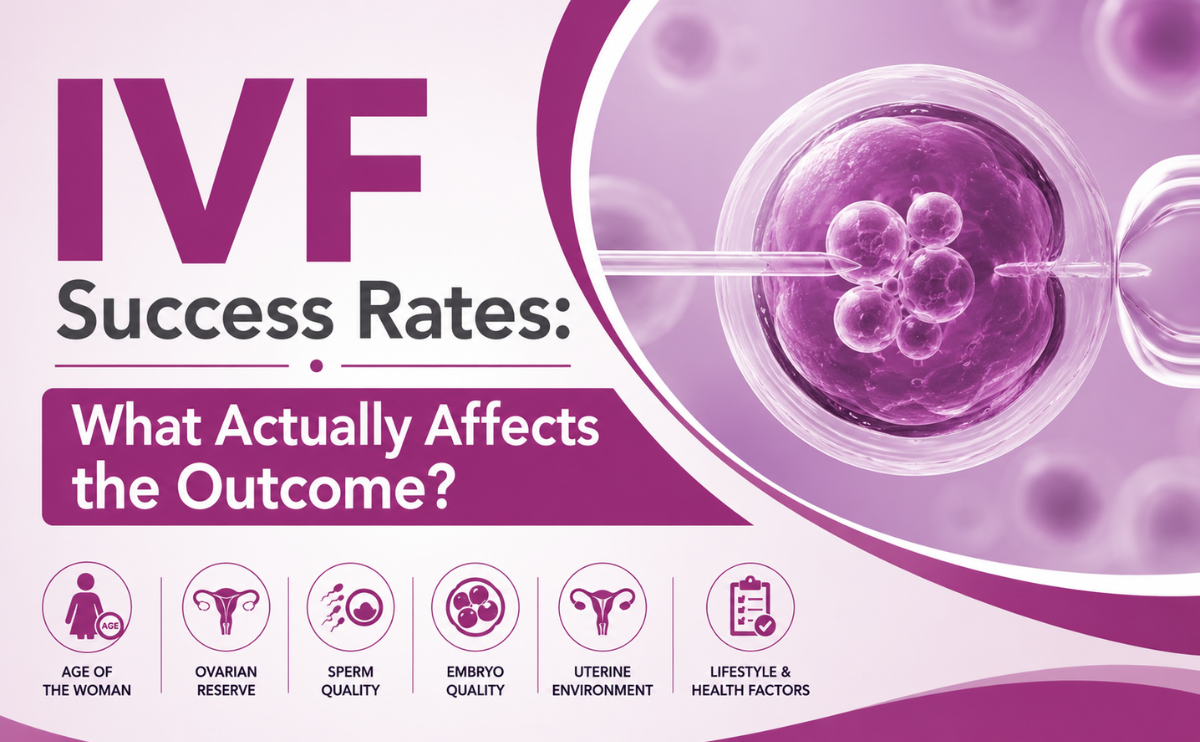
Factors That Influence IVF Success Include:
- Woman's age
- Egg quality
- Sperm quality
- Embryo quality
- Endometrial thickness and receptivity
- Hormone levels
- Presence of conditions such as PCOS or endometriosis
- Previous IVF history
- Overall health and lifestyle
Rather than asking which procedure is better for everyone, the more important question is:
"Which embryo transfer approach is better for my individual situation?"
Your fertility specialist will evaluate all these factors before recommending the most appropriate option.
Advantages of Fresh Embryo Transfer
Fresh embryo transfer continues to be an effective treatment option for many IVF patients.
Some of its advantages include:
Quicker Treatment Completion
Since embryo transfer occurs within the same IVF cycle, there is no need to wait for another menstrual cycle before proceeding.
No Embryo Freezing Required
The embryo is transferred directly after development in the laboratory without undergoing cryopreservation.
Suitable for Women with Optimal Treatment Response
Women with healthy hormone levels, a receptive uterine lining, and a low risk of OHSS may benefit from proceeding with a fresh transfer.
Well-Established IVF Technique
Fresh embryo transfer has been successfully used in IVF treatment for many years and continues to help many couples achieve pregnancy.
Advantages of Frozen Embryo Transfer
Frozen Embryo Transfer has become an important part of modern fertility care, particularly with improvements in embryo freezing technology.
Allows Hormonal Recovery
The uterus is prepared during a later cycle, which may create a more favourable environment for implantation in selected patients.
Reduces the Risk of OHSS
Women with a high ovarian response can avoid immediate embryo transfer until their body has recovered from ovarian stimulation.
Greater Treatment Flexibility
Embryos can remain safely stored until the most appropriate time for pregnancy.
Supports Preimplantation Genetic Testing
If embryos undergo genetic testing, freezing allows sufficient time to receive results before transfer.
Future Family Planning
Remaining embryos from a successful IVF cycle may be frozen for future pregnancies, reducing the need for another complete IVF stimulation cycle.
Are There Any Risks Associated with Embryo Transfer?
Both fresh and frozen embryo transfer are considered safe procedures when performed under the guidance of experienced fertility specialists. However, like any medical treatment, certain risks may exist.
These may include:
Implantation Failure
Not every embryo successfully implants in the uterus, even when embryo quality appears good.
Miscarriage
Pregnancy loss can occur after either fresh or frozen embryo transfer, with risk influenced by several individual factors, including maternal age and embryo health.
Multiple Pregnancy
If more than one embryo is transferred, the chance of twins or higher-order multiple pregnancies increases. Many fertility specialists now recommend single embryo transfer whenever appropriate to reduce these risks.
Ovarian Hyperstimulation Syndrome (OHSS)
OHSS is mainly associated with ovarian stimulation before egg retrieval and is more relevant in fresh IVF cycles. Delaying embryo transfer through a frozen cycle may help reduce this risk in susceptible women.
Embryo Thawing Considerations
Modern vitrification techniques have significantly improved embryo survival after thawing. Most frozen embryos survive the thawing process successfully, although a small number may not.
How Does Your Fertility Specialist Decide Between Fresh and Frozen Embryo Transfer?
The decision is based on a detailed evaluation of your reproductive health rather than a standard protocol.
Your fertility specialist may consider:
Age
Age influences both egg quality and overall fertility, helping guide treatment recommendations.
AMH Levels and Ovarian Reserve
AMH testing provides information about ovarian reserve and helps estimate how the ovaries respond to stimulation.
Risk of OHSS
Women who produce a large number of follicles during stimulation may benefit from delaying embryo transfer.
Hormone Levels
Progesterone and estrogen levels during the IVF cycle can influence uterine receptivity.
Endometrial Thickness
A healthy uterine lining is essential for successful implantation.
Embryo Quality
The developmental stage and quality of the embryo play a major role in treatment planning.
Previous IVF History
Earlier IVF outcomes help fertility specialists personalise future treatment strategies.
Each IVF journey is unique, and the treatment approach is carefully tailored to maximise the chances of a successful pregnancy.
Tips to Improve IVF Success After Embryo Transfer
Although no method can guarantee pregnancy, following your doctor’s advice can help support the implantation process and overall reproductive health.
Some helpful recommendations include:
- Take all prescribed medications exactly as directed.
- Attend all scheduled follow-up appointments.
- Eat a balanced and nutritious diet.
- Stay adequately hydrated.
- Avoid smoking and alcohol consumption.
- Engage in light daily activities unless advised otherwise.
- Get sufficient sleep and rest.
- Manage stress through relaxation techniques and emotional support.
- Avoid starting new medications without consulting your fertility specialist.
It is also important to remember that everyday activities such as walking, working, or climbing stairs do not usually affect embryo implantation unless specifically advised by your doctor.
Why Choose Mamtha Fertility for IVF Treatment?
At Mamtha Fertility, every IVF treatment plan is designed around the individual needs of each patient. We understand that no two fertility journeys are the same, which is why decisions regarding fresh or frozen embryo transfer are based on a comprehensive evaluation of ovarian reserve, embryo quality, uterine health, hormone levels, and overall reproductive goals.
Our experienced fertility specialists use advanced laboratory techniques, evidence-based treatment protocols, and personalised care to recommend the most appropriate embryo transfer strategy for every couple. From fertility assessment and IVF planning to embryo transfer and pregnancy support, our focus is on providing compassionate care while helping patients make informed decisions throughout their journey.
By combining modern reproductive technology with personalised fertility care, Mamtha Fertility supports individuals and couples in their pursuit of a healthy pregnancy.
Conclusion
Both Fresh Embryo Transfer and Frozen Embryo Transfer are well-established and effective components of modern IVF treatment. Rather than one approach being universally superior, the best choice depends on several individual factors, including ovarian response, embryo quality, uterine receptivity, hormone levels, and overall reproductive health.
Advances in embryo freezing technology have expanded treatment options and improved flexibility for many couples, while fresh embryo transfer continues to be highly effective when clinical conditions are favourable. A personalised treatment plan developed by an experienced fertility specialist remains the most important factor in selecting the appropriate embryo transfer strategy.
If you are preparing for IVF or considering embryo transfer, discussing your individual fertility profile with your specialist can help you understand which approach offers the best opportunity for achieving a healthy pregnancy.
Frequently Asked Questions
Which is better: Fresh Embryo Transfer or Frozen Embryo Transfer?
Neither option is universally better. The most suitable approach depends on your medical condition, hormone levels, embryo quality, and fertility specialist’s assessment.
Is Frozen Embryo Transfer more successful than Fresh Embryo Transfer?
In certain patients, frozen embryo transfer may offer improved implantation conditions. However, both methods can achieve excellent pregnancy outcomes when appropriately selected.
Can frozen embryos result in healthy babies?
Yes. Frozen embryos have helped many couples achieve healthy pregnancies and healthy babies using modern embryo freezing techniques.
Does freezing affect embryo quality?
Modern vitrification techniques are designed to preserve embryo quality, and most embryos survive thawing successfully.
How many days after egg retrieval is a fresh embryo transfer performed?
Fresh embryo transfer is commonly performed three to five days after egg retrieval, depending on embryo development and the treatment plan.
Can I choose between fresh and frozen embryo transfer?
The final recommendation is made by your fertility specialist after evaluating your medical condition, hormone levels, embryo quality, and uterine readiness.
How long can embryos remain frozen?
Embryos can remain safely cryopreserved for several years under appropriate laboratory conditions, depending on local regulations and individual treatment plans.