
Tests Required Before Starting IVF: Complete Pre-Treatment Guide
Table of Contents
ToggleKey Takeaways
- Several medical tests are required before starting IVF to ensure safety and improve success.
- Blood tests, hormone evaluation, ultrasound scans, and semen analysis form the core screening process.
- Identifying underlying conditions early reduces the risk of IVF failure.
- Proper preparation before IVF improves overall treatment outcomes.
Introduction
Tests required before starting IVF are an essential part of treatment planning. Many couples feel anxious when they are asked to undergo multiple investigations before beginning IVF. However, these tests are not delays. They help doctors design a safe and personalised treatment plan.
Before starting IVF, specialists evaluate hormonal balance, ovarian reserve, uterine health, and sperm quality. This complete assessment ensures that the right protocol is chosen and prevents avoidable complications.
A proper fertility assessment forms the foundation of successful IVF treatment.
Why Are Tests Required Before Starting IVF?
IVF is a structured medical procedure. It requires careful preparation. Doctors do not begin treatment without understanding:
- The cause of infertility
- Ovarian reserve status
- Hormonal health
- Uterine condition
- Male factor fertility
These IVF pre-treatment tests help customise stimulation protocols, reduce risks, and improve success rates.
Essential Tests Required Before Starting IVF
Hormone Blood Tests Before IVF
Blood tests before IVF evaluate hormone levels that control ovulation and egg development.
These commonly include:
- AMH test before IVF
- FSH and LH levels
- Estradiol
- Thyroid profile
- Prolactin
The AMH test measures ovarian reserve. FSH and LH help assess ovarian function. Thyroid imbalance can interfere with implantation, so correction before IVF is important.
Ovarian Reserve Testing
Ovarian reserve testing helps estimate how the ovaries may respond to stimulation.
This includes:
- AMH levels
- Antral follicle count through ultrasound
These results guide medication dosage and help doctors predict response to treatment.
Ultrasound and Uterine Evaluation
Ultrasound before IVF evaluates:
- Ovarian structure
- Antral follicle count
- Endometrial thickness
- Presence of fibroids or polyps
If abnormalities are suspected, further evaluation such as hysteroscopy may be advised to correct uterine issues before embryo transfer.
Fallopian Tube Assessment
Although IVF bypasses the fallopian tubes, doctors sometimes recommend an HSG test before IVF if there is a history of infection or hydrosalpinx. Severe tubal fluid can affect implantation and may require correction.
Semen Analysis Before IVF
Semen analysis before IVF assesses:
- Sperm count
- Motility
- Morphology
If severe male factor infertility is detected, doctors may recommend ICSI instead of conventional IVF. This ensures that fertilisation occurs under laboratory conditions.
Infection and Viral Screening
Before starting IVF, both partners undergo screening for:
- HIV
- Hepatitis B
- Hepatitis C
- Syphilis
This protects laboratory safety and ensures pregnancy health.
Genetic Testing (When Required)
Genetic testing is not mandatory for every couple. However, it may be recommended in cases of:
- Recurrent IVF failure
- Repeated miscarriages
- Family history of genetic disorders
Doctors personalise testing based on clinical history.
Are All Tests Mandatory for Every Patient?
Not always.
Basic hormone tests, semen analysis, and infection screening are standard. However, advanced genetic or uterine tests are recommended only when indicated.
Doctors customise evaluation based on age, medical history, and previous treatment outcomes.
Timeline of Tests Before Starting IVF
Understanding when tests are done reduces anxiety.
- Day 2–3 of cycle: FSH, LH, Estradiol
- Anytime: AMH test
- Pre-cycle: Infection screening
- Before stimulation: Ultrasound scan
- Before embryo transfer: Endometrial assessment
Proper timing improves test accuracy and treatment planning.
How to Prepare Your Body Before IVF
Preparing the body 2–3 months before IVF improves response.
Doctors usually advise:
- Weight optimisation
- Thyroid correction
- Diabetes control
- Folic acid supplementation
- Avoiding smoking and alcohol
Good preparation reduces the risk of IVF failure and improves implantation outcomes.
What Would Disqualify Someone From IVF?
IVF is rarely disqualified outright. However, doctors may postpone treatment in cases of:
- Uncontrolled diabetes or thyroid disorders
- Severe untreated infections
- Advanced uterine abnormalities
- Extremely low ovarian reserve (individual assessment required)
Early correction allows safe continuation of treatment.
At What Age Is IVF Most Successful?
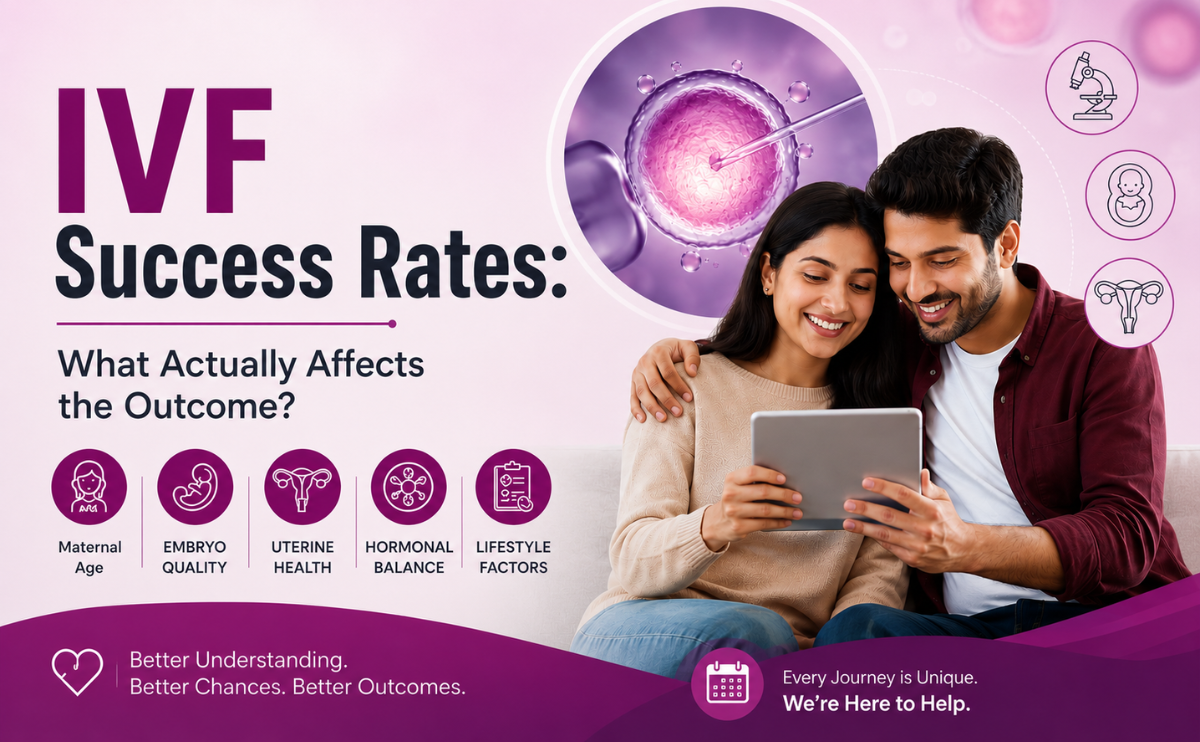
IVF success rates are generally higher in women under 35 because egg quality is better. However, many women above 35 still achieve pregnancy with proper evaluation and individualised protocols.
Age influences egg quality more than uterine ability to carry pregnancy.
What Is the Biggest Reason IVF Fails?
The most common reasons for IVF failure include:
- Poor embryo quality
- Implantation problems
- Hormonal imbalance
- Advanced maternal age
Understanding the cause of previous failure helps doctors modify the next cycle appropriately.
Conclusion
The tests required before starting IVF are not just formalities. They are critical steps that allow doctors to design safe and effective treatment plans.
A thorough evaluation improves outcomes, reduces complications, and ensures that IVF begins on a strong foundation.
Frequently Asked Questions
Which tests are done before IVF?
Doctors perform hormone blood tests, ovarian reserve assessment, ultrasound scans, semen analysis, and infection screening before starting IVF.
What would disqualify me from IVF?
Uncontrolled medical conditions or untreated infections may delay IVF temporarily until stabilised.
How do I prepare my body before IVF?
Maintain a healthy weight, correct hormonal imbalances, take folic acid, and follow medical advice for at least 2–3 months before IVF.
At what age is IVF most successful?
IVF is generally more successful before 35, although pregnancy is possible at later ages with individualised care.
What is the biggest reason IVF fails?
Poor embryo quality and implantation issues are common reasons for IVF failure.